PDLC Smart Film
In an era where technology seamlessly blends into our daily lives, PDLC smart film stands out as an innovative solution that transforms how we interact with glass surfaces. This 2000-word article explores the fascinating world of Polymer Dispersed Liquid Crystal (PDLC) smart film, delving into its definition, functionality, applications, benefits, challenges, market trends, and future prospects. By the end, you’ll have a comprehensive understanding of how this technology is shaping modern architecture, design, and beyond.
Introduction to Smart Film and PDLC Technology
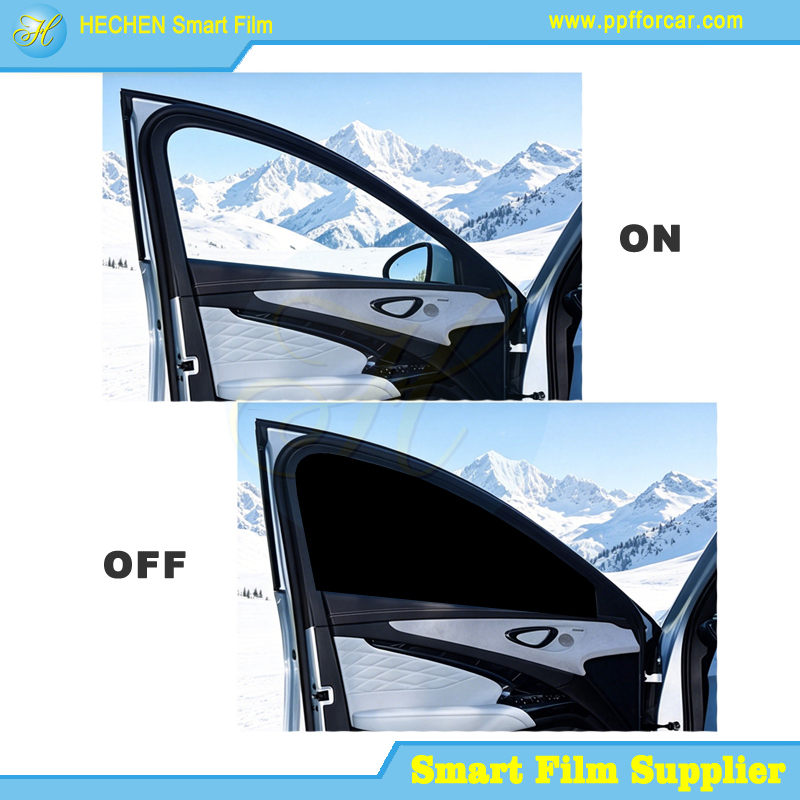
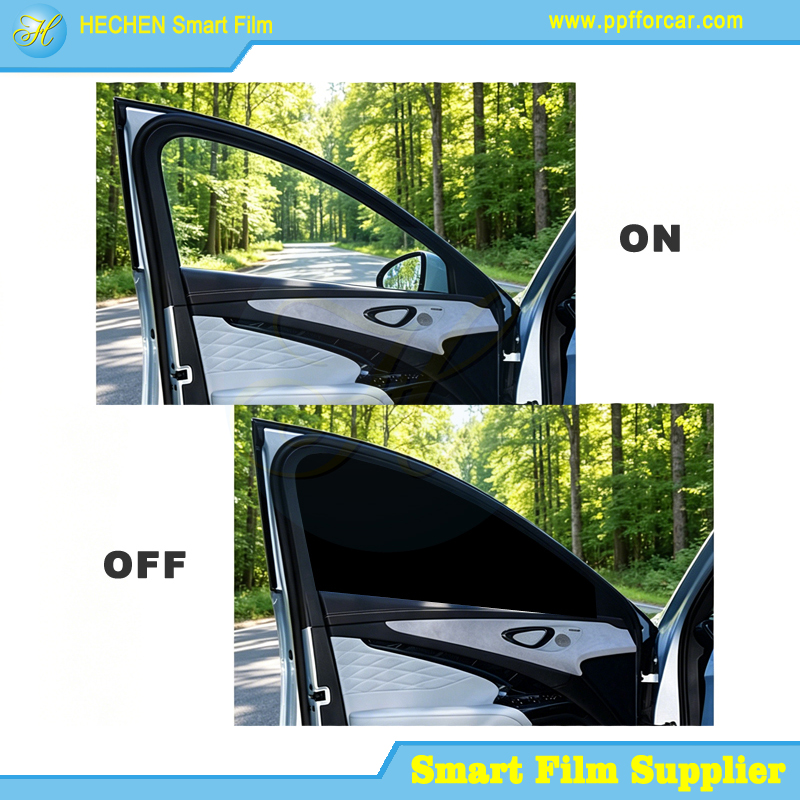
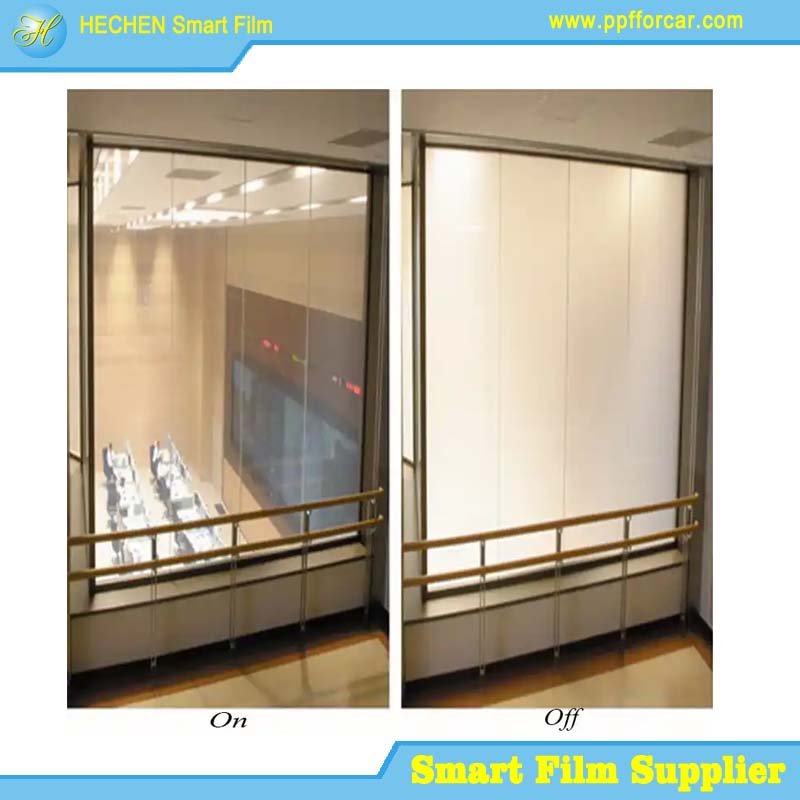
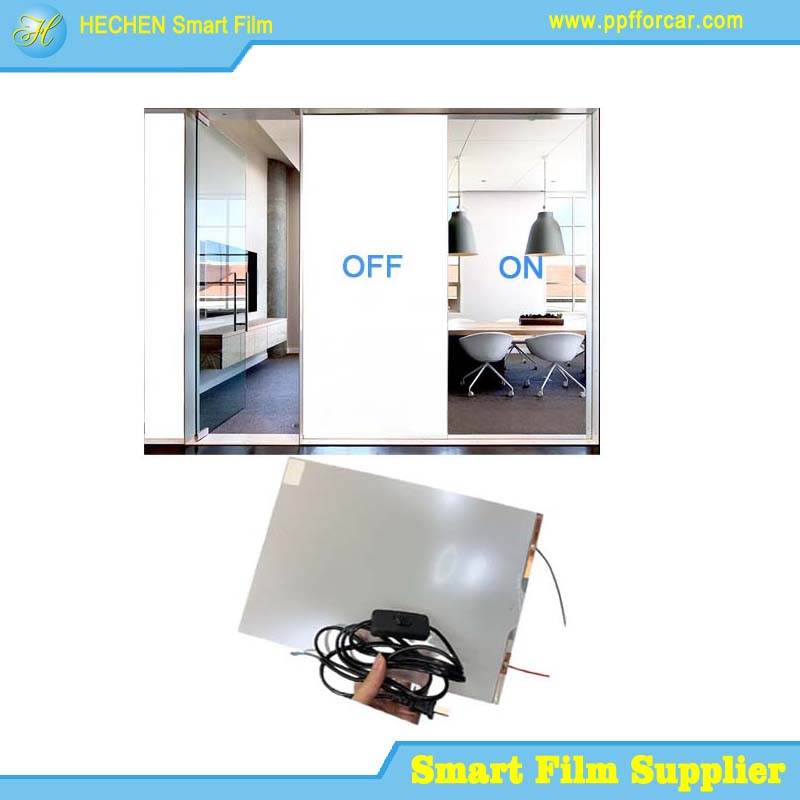
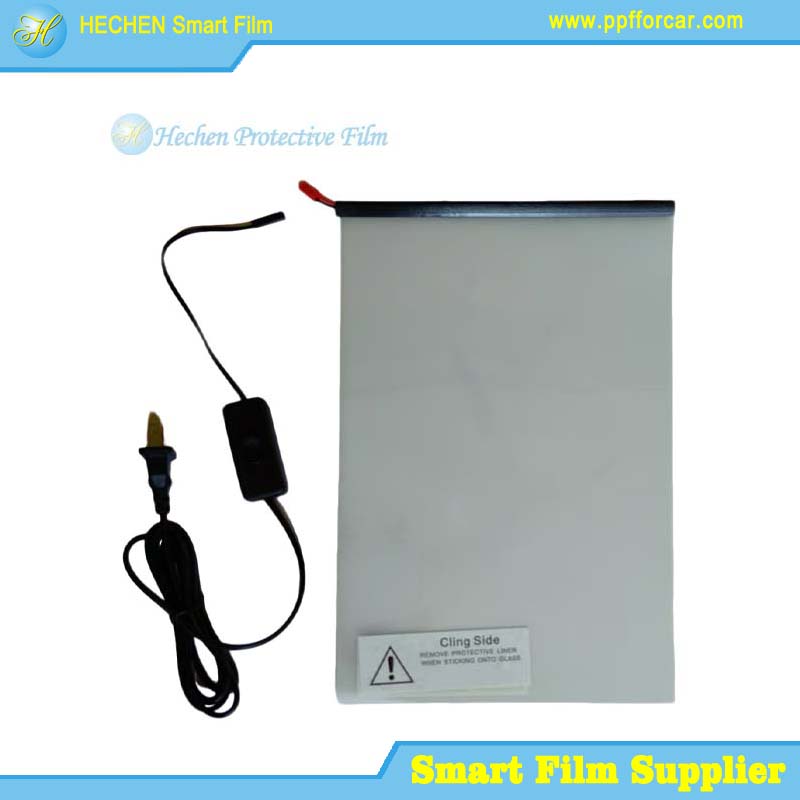
Smart film, often referred to as switchable film, represents a leap forward in material science, allowing glass surfaces to change their properties—such as transparency or opacity—in response to external stimuli like electricity. Among the various smart film technologies, Polymer Dispersed Liquid Crystal (PDLC) is one of the most widely adopted due to its versatility and effectiveness.PDLC smart film consists of a thin layer of liquid crystals dispersed within a polymer matrix, sandwiched between two transparent conductive layers, typically made of indium tin oxide (ITO). In its default state, with no electric current applied, the liquid crystals are randomly oriented, scattering light and rendering the film opaque or frosted. This opacity provides instant privacy and blocks visibility through the glass. However, when an electric voltage is applied, the liquid crystals align uniformly, allowing light to pass through and making the film transparent. This ability to switch between opaque and clear states with the flick of a switch makes PDLC smart film a game-changer.The technology’s applications span across industries, from creating private office spaces to enhancing residential windows and even revolutionizing automotive design. As we explore PDLC smart film in detail, we’ll uncover its inner workings, practical uses, advantages, limitations, and its role in the future of smart technology.
How PDLC Smart Film Works
Understanding the functionality of PDLC smart film requires a closer look at the science behind it. At its core, the technology leverages the unique properties of liquid crystals—materials that exhibit characteristics between those of liquids and solid crystals—and their interaction with light and electricity.In PDLC smart film, tiny droplets of liquid crystals are dispersed within a polymer matrix. This mixture is laminated between two conductive layers that enable the application of an electric field. When no voltage is present, the liquid crystal droplets are randomly oriented. As light strikes these disordered droplets, it scatters in multiple directions, causing the film to appear opaque. This scattering effect is akin to how fog obscures visibility by dispersing light.When an electric current is applied across the conductive layers, an electric field forms, prompting the liquid crystal molecules to align in a uniform direction. This alignment allows light to pass through with minimal scattering, rendering the film transparent. The transition from opaque to clear occurs almost instantly—typically within milliseconds—offering immediate control over the film’s state. In some advanced PDLC films, the degree of transparency can be adjusted by varying the voltage, providing a dimming effect rather than a simple on-off switch.A key characteristic of PDLC smart film is its reliance on continuous electricity to maintain transparency. When the power is turned off, the film reverts to its opaque state. This power dependency is a critical consideration for applications where energy efficiency or power availability is a concern. The technology exemplifies a brilliant fusion of materials science, optics, and electrical engineering, resulting in a product that is both practical and cutting-edge.
Applications of PDLC Smart Film
The adaptability of PDLC smart film has led to its widespread use across diverse industries. Below are some of its most prominent applications:
1. Office EnvironmentsIn modern workplaces, PDLC smart film is commonly applied to partition walls and conference room windows. It enables the creation of private meeting spaces that can switch to transparent when not in use, promoting an open and collaborative environment. This flexibility is ideal for dynamic offices where privacy needs fluctuate throughout the day.
2. Residential UseHomeowners are increasingly adopting PDLC smart film for windows, skylights, and shower enclosures. It offers instant privacy without the clutter of curtains or blinds, while also allowing control over natural light. For instance, a living room window can be opaque at night for seclusion and transparent during the day to enjoy outdoor views.
3. Automotive IndustryIn vehicles, PDLC smart film is used in sunroofs, side windows, and rear windows. It empowers drivers and passengers to adjust light and privacy levels, reducing glare and enhancing comfort. Additionally, it can improve energy efficiency by minimizing the need for air conditioning on sunny days.
4. Retail and AdvertisingRetail stores and malls utilize PDLC smart film for interactive displays and dynamic window advertising. The film can switch from transparent to opaque to showcase promotions or create captivating visual effects, drawing customer attention and boosting brand visibility.
5. Healthcare SettingsHospitals and clinics employ PDLC smart film in patient rooms, observation windows, and operating theaters. It ensures privacy for patients while allowing medical staff to monitor them as needed. The transparent mode facilitates communication without compromising confidentiality.
6. Hospitality IndustryHotels and resorts integrate PDLC smart film into guest rooms, bathrooms, and public spaces to create a luxurious, modern ambiance. It can also double as a projection screen for in-room entertainment, adding a layer of functionality.These examples highlight how PDLC smart film addresses practical needs while enhancing aesthetics across various sectors.
Benefits of Using PDLC Smart Film
The growing popularity of PDLC smart film is fueled by its numerous advantages:
1. Instant PrivacyThe ability to switch to an opaque state with a button press provides unparalleled privacy control, making it ideal for offices, homes, and healthcare facilities.
2. Energy EfficiencyBy regulating light and heat entering a space, PDLC smart film reduces reliance on air conditioning and artificial lighting, leading to energy savings and a lower environmental impact.
3. UV ProtectionThe film blocks up to 99% of harmful UV rays, safeguarding interiors from sun damage and reducing health risks for occupants, especially in sun-exposed areas.
4. Glare ReductionIt minimizes glare from sunlight, enhancing comfort and productivity in workspaces and reducing eye strain for users.
5. Aesthetic AppealWith its sleek, modern design, PDLC smart film elevates the visual appeal of any space, eliminating the need for traditional window treatments and offering a clean, uncluttered look.
6. Easy Installation and RetrofittingThe film can be applied to existing glass surfaces without major renovations, making it a cost-effective upgrade option.
7. VersatilityBeyond privacy and light control, PDLC smart film can serve as a projection screen, adding multifunctional value to its applications.These benefits position PDLC smart film as a compelling choice for architects, designers, and property owners embracing smart technology.
Challenges and Limitations
Despite its advantages, PDLC smart film faces certain challenges:
1. CostThe upfront cost of PDLC smart film, including the film, installation, and electrical setup, can exceed that of traditional window treatments. However, long-term benefits often offset this investment.
2. Power DependencyThe film requires continuous electricity to remain transparent, reverting to opaque during power outages, which may be inconvenient in some scenarios.
3. DurabilityOver time, the film may wear out, especially in high-traffic or harsh environments, necessitating maintenance or replacement.
4. Installation ComplexityProper installation demands professional expertise to ensure optimal performance and safe electrical integration.
5. Limited Color OptionsCurrently, PDLC smart film is mostly available in frosted white (opaque) and clear (transparent) states, limiting customization compared to traditional options.
6. Technical LimitationsSwitching speed and clarity can vary based on film quality and voltage. Some films may exhibit a slight haze in transparent mode, which could affect specific uses.Ongoing advancements are addressing these issues, improving cost-effectiveness, durability, and performance over time.
Market Trends and Future Prospects
The PDLC smart film market is on an upward trajectory, driven by demand for energy-efficient buildings, smart homes, and innovative design solutions. Industry reports project the global smart glass market, encompassing PDLC technology, to reach billions of dollars by 2025, with a compound annual growth rate (CAGR) exceeding 15%.
Key Trends
1. Sustainability: Growing environmental awareness is pushing green building practices, with PDLC smart film contributing to energy efficiency.
2. Technological Advancements: Innovations are enhancing durability, reducing power consumption, and improving transparency, broadening the film’s appeal.
3. Smart Home Integration: As smart home technology expands, PDLC smart film is being integrated with automation systems for seamless control.
4. New Applications: Emerging uses in aerospace, wearable tech, and beyond are expanding the market’s scope.
Future Outlook
The future of PDLC smart film looks promising, with potential developments including lower costs, wireless operation, and greater customization options. As urbanization and sustainability goals drive construction trends, PDLC smart film is poised to play a pivotal role in shaping smart, efficient spaces.
Conclusion
PDLC smart film is more than just a technological novelty—it’s a transformative tool redefining how we use glass. From its ability to switch between opaque and transparent states to its wide-ranging applications in offices, homes, vehicles, and beyond, it offers a blend of functionality, aesthetics, and innovation. While challenges like cost and power dependency exist, the benefits—privacy, energy savings, and UV protection—make it a worthwhile investment. With a growing market and continuous advancements, PDLC smart film is set to become a cornerstone of future design and technology, enhancing the way we live and work in an increasingly connected world.
For more about the PDLC Smart Film Manufacturers: Innovators of Switchable Glass Technology, you can pay a visit to Hechen PDLC Smart Film Manufacturers for more info.